Türkçe
 English
 Deutsch
Search engine optimization (SEO) keeps changing every year as Google's algorithms continue to evolve. In 2025, brands that want to rank at the top of Google must focus not only on classic SEO techniques but also on next-generation strategies such as user experience, AI-assisted content, data analysis and semantic optimization.
Keyword usage alone is no longer enough. Google is prioritizing content that genuinely helps users, fast-loading sites and trustworthy brands. Here are the most important SEO factors that directly influence Google rankings in 2025.
1. Core Web Vitals and Page Speed
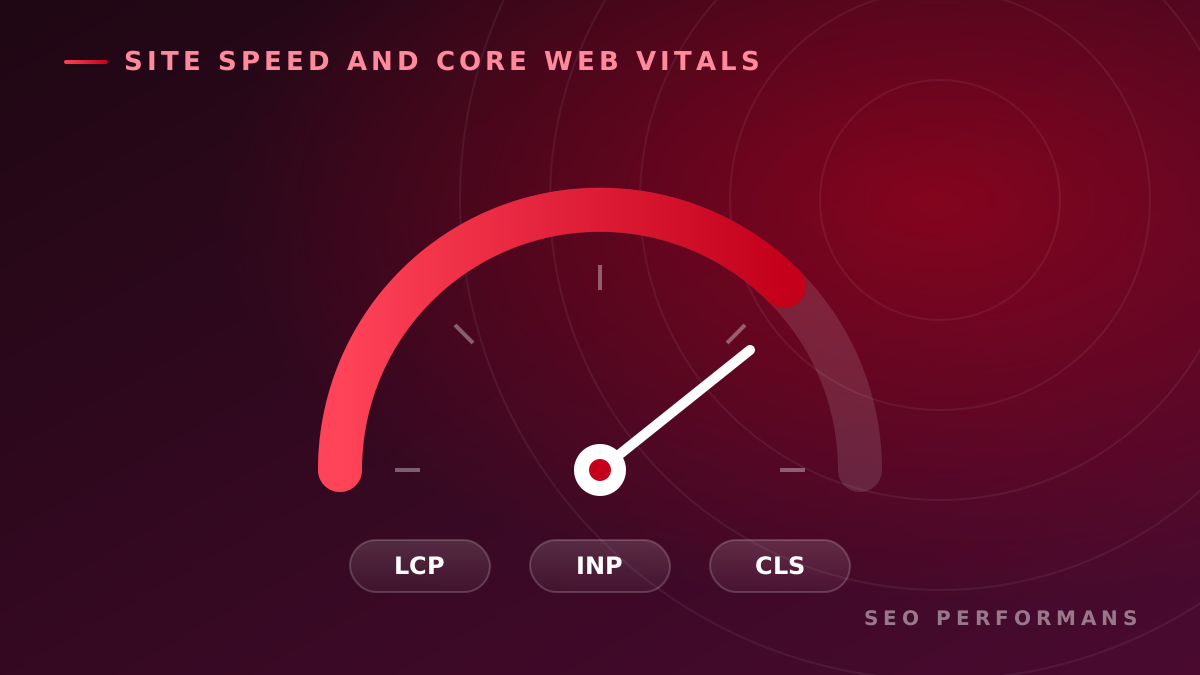
Core Web Vitals (CWV), Google's user experience-focused metrics, remain important in 2025. Page load time, interaction responsiveness and visual stability can directly affect SEO performance.
In particular, you need to optimize metrics such as:
- LCP (Largest Contentful Paint)
- INP (Interaction to Next Paint)
- CLS (Cumulative Layout Shift)
.
Slow sites lose users, while fast, well-optimized websites can gain a ranking advantage. That is why technical SEO optimization work is so important.
2. AI-Powered Search Results (SGE)
Google's AI-powered search system, Search Generative Experience (SGE), has begun to change the structure of search results. Users now see AI-generated summaries alongside the classic results.
This makes it essential to create content that is not merely keyword-focused, but comprehensive, trustworthy and gives clear answers to questions.
Producing content that understands user intent is now far more critical in 2025 SEO strategies.
3. The E-E-A-T Factor
E-E-A-T, one of Google's evaluation criteria, stands for:
- Experience
- Expertise
- Authoritativeness
- Trustworthiness
.
Producing reliable content is especially important in fields such as health, finance, law and technology. Content with unclear sources, superficial content or content that gives users no value now has a much harder time ranking.
High-quality content that builds brand authority is at the center of SEO work in 2025.
4. Mobile Friendliness and Responsive Design
The share of traffic coming from mobile devices continues to grow every year. Google also uses the mobile version as the basis for indexing.
Sites that are not mobile-friendly may:
- Have a higher bounce rate
- Hurt the user experience
- Lose ground in organic rankings
For this reason, responsive design and mobile performance optimization have become indispensable parts of modern SEO.
5. Content Quality and Semantic SEO
Google now focuses not just on keyword density, but on the topical completeness of content and on user intent.
Semantic SEO means covering a topic comprehensively through different subheadings. For example, in a piece explaining "What is SEO?", including subtopics such as technical SEO, content SEO, backlinks and user experience can create a stronger signal for Google.
That is why high-quality, comprehensive content optimization becomes even more important in 2025.
6. Structured Data (Schema Markup)
Using schema markup helps search engines better understand page content.
In particular, structures such as:
- Article Schema
- FAQ Schema
- Product Schema
- Breadcrumb Schema
can earn you rich snippets in Google results.
This can increase click-through rates and contribute to organic performance.
7. Video SEO and Image Optimization
In 2025, the impact of video content on SEO is growing even further. YouTube, Google Images and short-video platforms have become important sources of organic traffic.
Video titles, descriptions, captions and image optimization should be part of your SEO strategy.
In addition, the following image elements:
- Alt tags
- File names
- Size optimization
must be configured correctly.
8. Local SEO and Map Results
"Near me" searches increase with each passing day. Local SEO has become critical, especially for brick-and-mortar stores and businesses that provide local services.
Google Business Profile optimization, customer reviews, location information and local keywords can directly affect local rankings.
Professional local SEO optimization can give you a major advantage in winning customers in your area.
9. Backlink Quality and Digital PR
Backlinks are still an important ranking factor. However, what matters now is not the number of links but their quality.
Natural backlinks from sites with industry authority are considered more valuable by Google. Spammy and low-quality links, on the other hand, can do harm.
For this reason, digital PR efforts and high-quality link building strategies play an important role in 2025 SEO work.
10. User Behavior and Engagement Signals
Google can evaluate content quality by analyzing how users behave on websites.
In particular, metrics such as:
- Click-through rate (CTR)
- Time spent on the page (Dwell Time)
- Bounce rate
create important signals for user experience.
When users spend more time on a page and move on to other pages within the site, it can indicate that the content is valuable.
Conclusion
In 2025, SEO is more than just technical optimization or keyword usage. AI-powered search systems, user experience, semantic content and data-driven analysis are now at the center of SEO strategies.
For successful SEO, a strong technical foundation, high-quality content production, mobile friendliness, user experience and a trustworthy brand must be addressed together.
For brands that want lasting success on Google, the most important goal is no longer just to serve search engines, but to deliver real value to real users.