Türkçe
 English
 Deutsch
Success in ecommerce is not limited to product variety or competitive pricing. For potential customers to find you and complete their purchase, SEO, or search engine optimization, plays a critical role. With the right SEO strategies, you can increase your ecommerce site's visibility, grow organic traffic, and boost your sales in a sustainable way.
In highly competitive industries in particular, growing through advertising alone can become costly. That is why a strong SEO strategy that earns organic traffic is one of the cornerstones of long-term digital growth.
1. Targeting the Right Audience with Keyword Research
Every successful SEO effort is built on the right keyword strategy. On ecommerce sites, you should target keywords that reflect users' purchase intent.
Long-tail keywords are highly valuable in terms of conversion rate. For example, instead of "sneakers," more specific searches such as "women's black sneakers" target users who are ready to buy.
Searches with commercial intent, such as "buy," "best price," and "discounted," also have a higher conversion potential. In addition, running a competitor analysis to identify the keywords you are missing in your industry gives you a significant advantage.
Professional keyword research ensures that both your category pages and your product pages are optimized correctly.
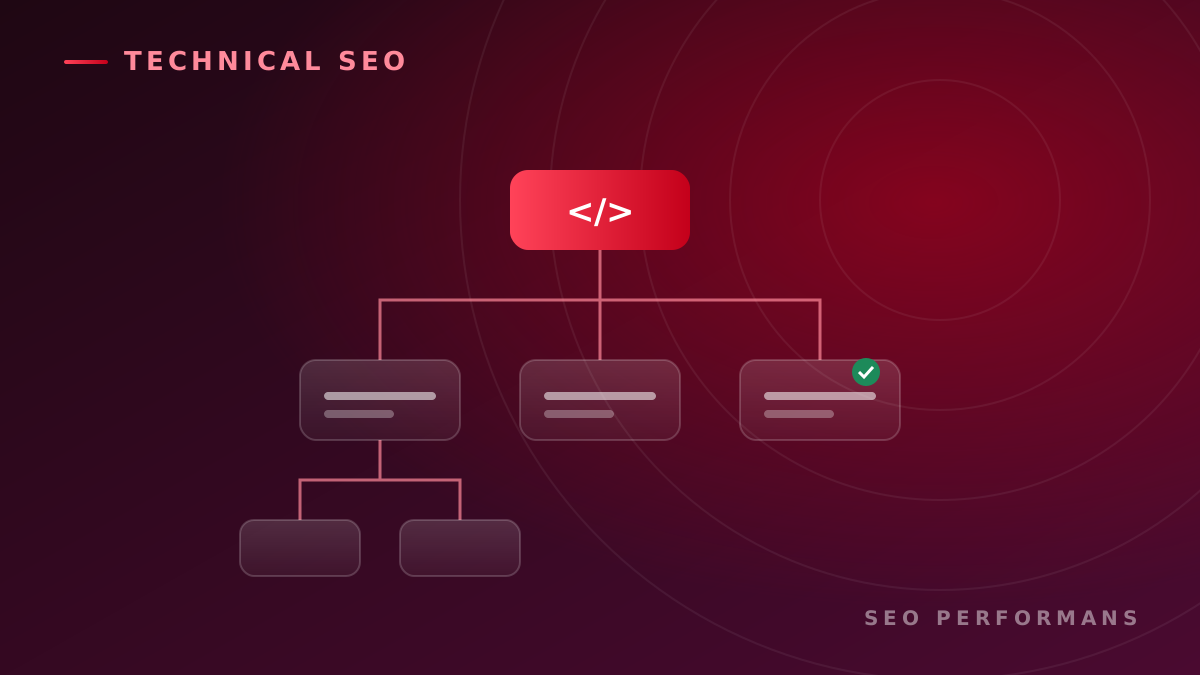
2. Strengthening Your Ecommerce Infrastructure with Technical SEO
Ecommerce sites often contain hundreds or even thousands of products, which makes them more prone to technical SEO issues. For this reason, building a strong technical foundation is critical.
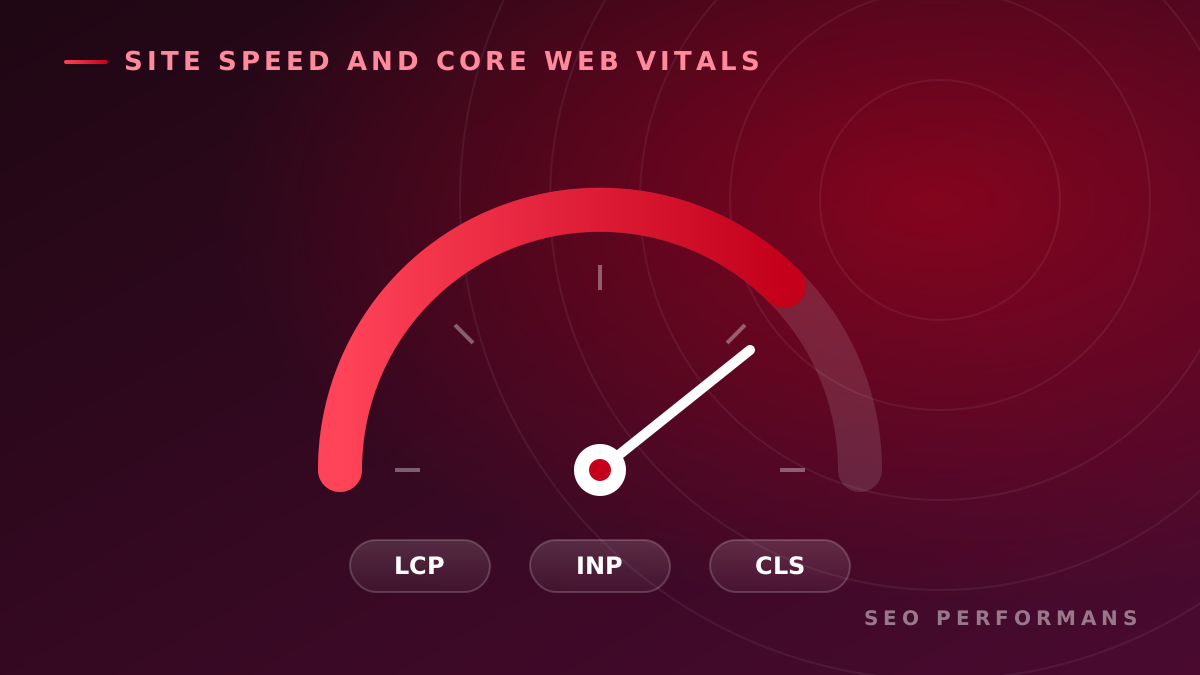
Site Speed and Core Web Vitals
Slow-loading product pages can cause you to lose users. Google considers fast-loading pages more valuable in terms of user experience. Core Web Vitals metrics, in particular, have a direct impact on ecommerce SEO performance.
Mobile Compatibility
Most ecommerce traffic comes from mobile devices. Sites that are not mobile-friendly both weaken the user experience and may fall behind in organic rankings.
URL Structure and Site Architecture
Categories, subcategories, and product pages should be organized in a logical hierarchy. SEO-friendly URL structures should be short, descriptive, and user-focused.
For example:
siteadi.com/erkek-spor-ayakkabi
Clean URL structures like this are stronger for both user experience and SEO.
At this point, technical SEO optimization work is of great importance.
3. Making Product Pages SEO-Friendly
On many ecommerce sites, product pages consist only of images and pricing information. Yet product pages are the center of organic traffic and sales conversions.
SEO-Friendly Product Titles
Product titles should inform both users and search engines. Choose titles that are keyword-focused but still read naturally.
Detailed Product Descriptions
Use original product descriptions instead of duplicate content. Explain the product's features, use cases, benefits, and technical details thoroughly.
Using Structured Data
With product schema markup, price, stock availability, and user reviews can be displayed in Google results. This can increase click-through rates.
4. Earning Organic Traffic with a Blog and Content Strategy
Blog content offers a major advantage in ecommerce SEO. Creating content around the topics users research during the buying process is one of the most effective ways to earn organic traffic.
For example:
- "How to choose the right winter coat"
- "2026 summer fashion trends"
- "What to consider when choosing running shoes"
Content like this can guide users toward making a purchase.
In addition, internal links from blog content to product and category pages help distribute SEO authority across the site. A strong content optimization strategy can significantly increase the organic visibility of ecommerce sites.
5. User Experience (UX) and SEO Must Work Together
Google now places great importance not only on content quality but also on user experience. How easily users can navigate your site directly affects conversion rates.
Easy Filtering and Navigation
Users should be able to reach the product they are looking for quickly. Filtering options should be clear and easy to understand.
Trust Signals
Customer reviews, ratings, secure payment systems, and return guarantees speed up the purchase decision.
Fast Checkout Process
Long and complicated payment processes can cause you to lose users. For the traffic coming from SEO to turn into sales, the checkout process should be as simple as possible.
6. Backlink and Digital PR Efforts
Trustworthiness is an important ranking factor for Google. That is why quality backlink building can strengthen ecommerce SEO performance.
Links earned from industry blogs, news sites, or niche platforms can increase your brand authority. Influencer collaborations and digital PR efforts also contribute in terms of both traffic and SEO.
Properly structured link building efforts can provide a significant advantage, especially in highly competitive industries.
7. Continuous Improvement Through Analysis and Measurement
SEO is a continuously evolving process. For this reason, performance should be analyzed regularly.
Using Google Analytics 4 and Google Search Console, you should analyze organic traffic, conversion rates, top traffic-driving pages, and user behavior.
You can also run A/B tests to measure which product pages or designs drive more sales. Competitor analysis should be done regularly as well, and your strategies should be kept up to date.
Conclusion
On ecommerce sites, SEO should be applied not only to attract organic traffic but also to convert that traffic into sales. With the right keyword strategy, a strong technical foundation, optimized product pages, quality blog content, and a user-friendly experience, you can achieve sustainable growth.
SEO should be viewed not as a short-term cost but as a long-term digital investment. Properly implemented ecommerce SEO strategies can make your brand more visible in search engines and keep your sales performance growing.