Türkçe
 English
 Deutsch
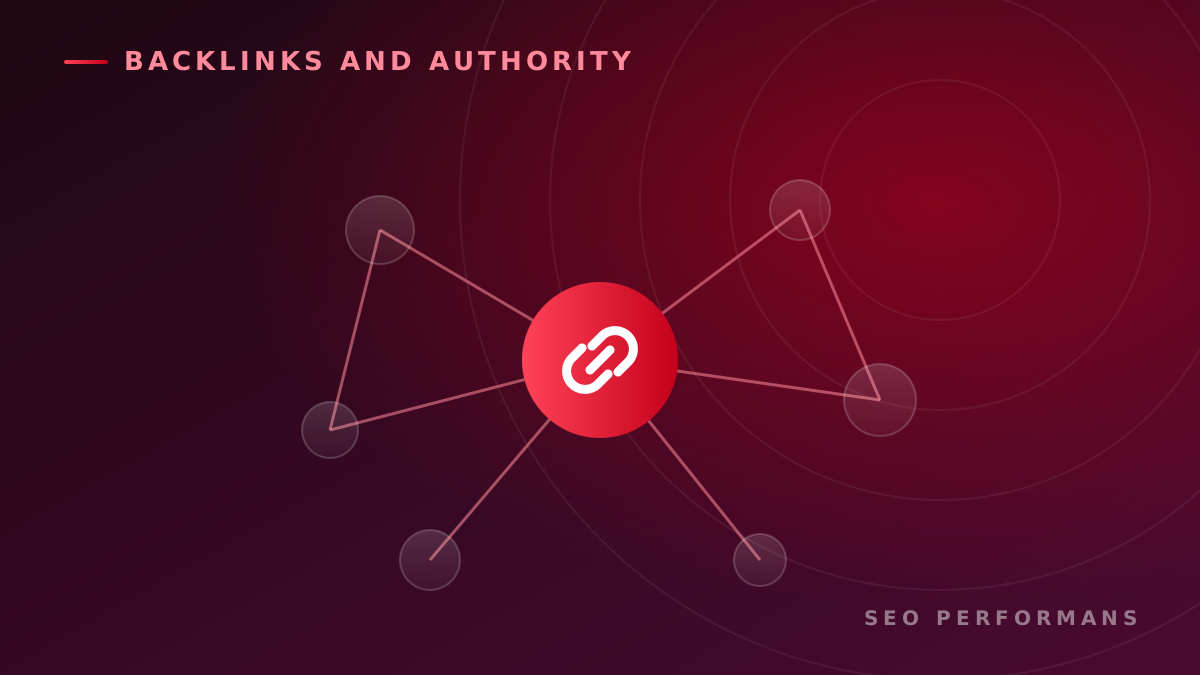
Backlinks are one of the most talked-about and most misapplied topics in the SEO world. Many people see backlinks as simply "getting links." In reality, a backlink is a website's reputation in the digital world.
For Google, a backlink means that other sites are citing you as a reference. In other words, when a site links to you, it sends Google this signal:
"This site is trustworthy and valuable."
For this reason, backlinks are considered one of the strongest ranking factors in SEO.
There is a critical detail, however: Not every backlink is beneficial.
What Is a Backlink?
A backlink is a link from another website to your website. Google evaluates these links as a signal of trust and authority.
Especially in highly competitive industries, producing quality content alone may not be enough. If your competitors have a strong backlink profile, you need to build a similar level of digital authority.
Otherwise, even if your content is high quality, it can be difficult to reach the top positions.
Why Are Backlinks Important?
Backlinks are one of the most important signals Google uses when evaluating a site.
Quality backlink work:
- Strengthens search engine rankings
- Increases site authority
- Builds Google's trust
- Drives organic traffic growth
- Supports brand awareness
Especially for highly competitive keywords, ranking without backlinks can become very difficult.
How to Build Backlinks
Building backlinks is not about collecting links at random. Successful backlink work must be strategic and planned.
The first step is identifying the right sources, because not every website is a quality backlink source for you.
In particular:
- Sites relevant to your industry
- High-authority publications
- Platforms that produce quality content
- Sites with real user traffic
are much more valuable backlink sources.
For example, if you provide services in the software industry, technology blogs, software-focused platforms, or industry publications may be stronger backlink sources for you.
Links from irrelevant sites, on the other hand, often provide no benefit and can even do harm.
Earning Backlinks Is Hard Without Quality Content
One of the most important points of the backlink process is producing content that is truly worth linking to.
That's because nobody wants to link to worthless or superficial content.
For this reason, the following types of content should be created before starting backlink work:
- Detailed guide content
- Blog posts that solve a problem
- Data- and analysis-driven content
- Comparison content
- Industry research
Quality content is the foundation of earning natural backlinks.
What Is a Natural Backlink?
The type of backlink Google likes best is the natural backlink.
A natural backlink is when other sites link to you by citing your content as a source, without you asking for it.
This usually happens when:
- Useful content is produced
- Original data is shared
- Industry authority is established
- A trustworthy brand perception is built
take place.
For example, when you publish a comprehensive SEO guide, other blogs may reference you. This kind of backlink is one of the strongest and safest types of links.
The Most Effective Ways to Get Backlinks
Guest Posting
Publishing guest content on industry blogs is one of the most common backlink methods.
With this method:
- You demonstrate your expertise
- You gain brand awareness
- You earn natural backlinks
Digital PR
Press releases, industry news, and digital media collaborations can create strong backlink sources.
Links from authoritative news sites in particular are highly valuable for SEO.
Collaborations and Interviews
Collaborations with other content creators in your industry can support backlink acquisition.
Joint content, podcast episodes, or interviews can generate natural links.
Resource Content and Guides
Detailed guide content is highly effective for gathering natural backlinks over the long term.
In particular:
- Comprehensive SEO guides
- Technical analyses
- Statistics content
- Research reports
have high backlink potential.
Why Are Low-Quality Backlinks Harmful?
What matters in SEO is not the number of backlinks, but their quality.
Backlinks from low-quality, spammy, or irrelevant sites:
- Are seen as worthless by Google
- Can harm site authority
- Can lead to algorithmic penalties
In particular:
- Automated backlink packages
- Bulk purchases of thousands of links
- Spam forum links
- Low-quality directory sites
can create serious SEO risks in the long run.
Google can now detect manipulative link building quite successfully.
How Long Does Backlink Work Take to Show Results?
Backlink work doesn't create miracles in the short term. A strong backlink profile is built over time.
Generally:
- The first effects can be seen within a few weeks
- Strong results take a few months
- In highly competitive industries, the process can take longer
For this reason, backlink work requires patience and consistency.
What Should a Successful Backlink Strategy Look Like?
Successful backlink strategies:
- Target the right sites
- Are supported by quality content
- Look natural
- Are planned for the long term
- Stay away from spammy methods
What matters to Google is not just getting links, but building trust.
Conclusion
Backlinks are one of the strongest ranking factors in SEO. However, backlink work done with the wrong methods can cause harm instead of benefit.
The right backlink strategy should:
- Be supported by quality content production
- Aim for natural links
- Focus on building industry authority
- Be approached with a long-term mindset
If you manage the backlink process correctly, you can strengthen not only your Google rankings but also your brand trust and digital visibility.
Frequently Asked Questions
Is buying backlinks harmful?
Low-quality and spammy backlink packages can be harmful. However, natural-looking, high-quality, and industry-relevant links can be beneficial.
How many backlinks do you need?
What matters in SEO is not the number of backlinks, but their quality. A few high-quality backlinks are far more valuable.
How long does it take for a backlink to have an effect?
Effects can usually start to appear within a few weeks, but strong results require a process of a few months.