Türkçe
 English
 Deutsch
If you want to drive traffic to your website, the core idea is actually quite clear: match the right keyword with the right content. However, the process is far more strategic than it looks. SEO is no longer just about "placing keywords"; it is about understanding user intent and producing content that meets it as well as possible.
Today, many businesses make their biggest mistake right at the start of their SEO work. They focus on keywords with high search volume but ignore the level of competition and user intent. As a result, they either get no traffic at all or the traffic they get does not convert into customers.
The right approach, however, is to skip the generic keywords everyone is chasing and target keywords where you can deliver real value, where your target audience can find you, and which carry conversion potential.
What Is a Keyword?
A keyword is a search phrase that users enter into Google and other search engines. From a professional SEO perspective, though, a keyword is not just a word; it is the digital expression of a user's need.
For example:
- "What is SEO?" → Informational intent
- "SEO consulting prices" → Purchase intent
- "Best SEO tools" → Comparison intent
That is why every keyword represents a different type of user behavior.
Why Is Search Intent Important?
Google's primary goal is to give users the most accurate answer to their query. This makes search intent one of the most critical elements of modern SEO.
If a user is looking for information but you serve content focused purely on sales, the user will leave the page. This sends a negative signal to Google.
For successful SEO, your content and the user's intent must match exactly.
For example:
- Guide content for informational searches
- Detailed analyses for comparison searches
- Service or product pages for searches with purchase intent
perform better.
How Do You Choose the Right Keyword?
Choosing the right keyword is the foundation of SEO success.
The main criteria to consider in this process are:
- Search volume
- Level of competition
- User intent
- Conversion potential
- Long-tail opportunities
Many businesses go only after high-volume keywords. However, this approach often leads to the wrong results.
For example:
Wrong approach:
"SEO"
Better approach:
"Enterprise SEO consulting"
"Istanbul SEO services"
"How to do an SEO analysis?"
These more specific keywords usually face lower competition and have higher conversion rates.
The Power of Long-Tail Keywords
Long-tail keywords are more specific search phrases.
For example:
- Instead of "web design" → "Corporate web design services Istanbul"
- Instead of "SEO" → "E-commerce SEO consulting prices"
These keywords:
- Bring more targeted traffic
- Deliver higher conversions
- Face lower competition
- Have the potential to rank faster
How Does Content Quality Affect Traffic?
Choosing the right keyword alone is not enough. The content also needs to be truly high quality.
Google no longer looks only at keyword density. It focuses on the content's:
- Topical depth
- Value to the user
- Readability
- Freshness
- Level of engagement
.
Superficial content written only "for the sake of SEO" now struggles to succeed.
Content that drives real traffic growth:
- Answers questions clearly
- Provides examples
- Offers detailed information
- Guides the user
- Builds trust
How Should Keywords Be Used?
One of the most common SEO mistakes is forcing keywords into the content.
This harms the user experience and can also be viewed negatively by Google.
The right approach is to:
- Use the keyword naturally
- Include it in the title
- Use it in the introductory paragraph
- Support it in subheadings
- Enrich the content with semantic keywords
.
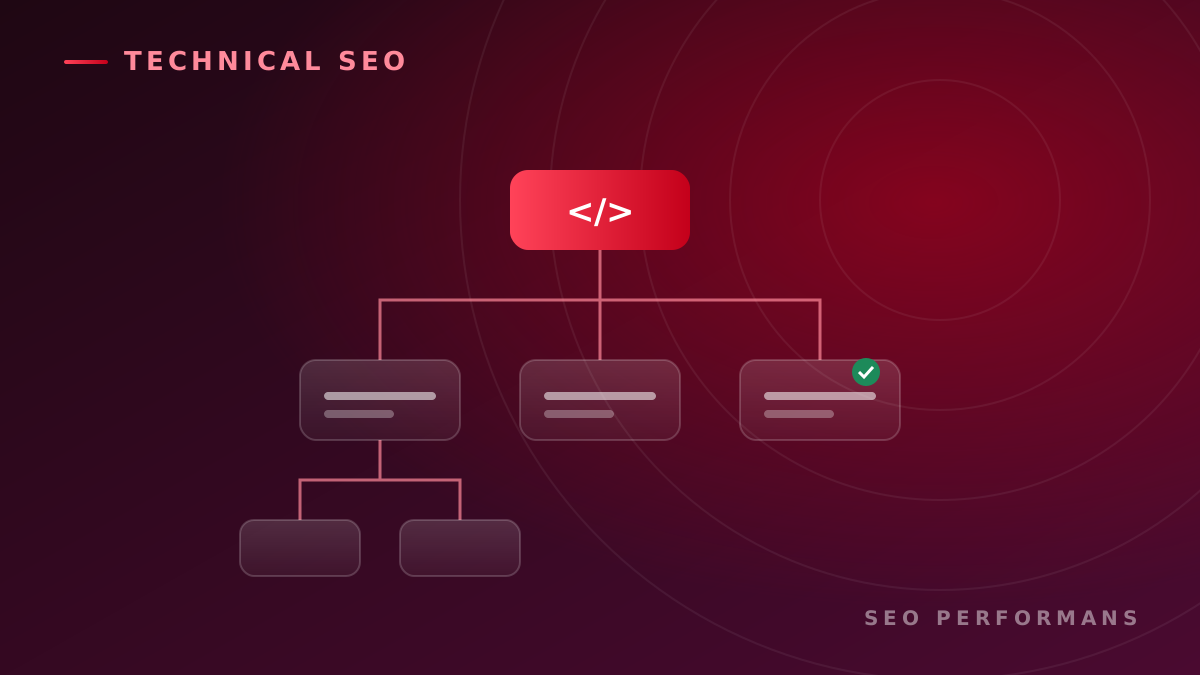
How Does Technical SEO Affect Traffic?
Just like content, technical infrastructure plays a critical role in SEO success.
If:
- The site loads slowly
- Mobile compatibility is weak
- Pages are not indexed correctly
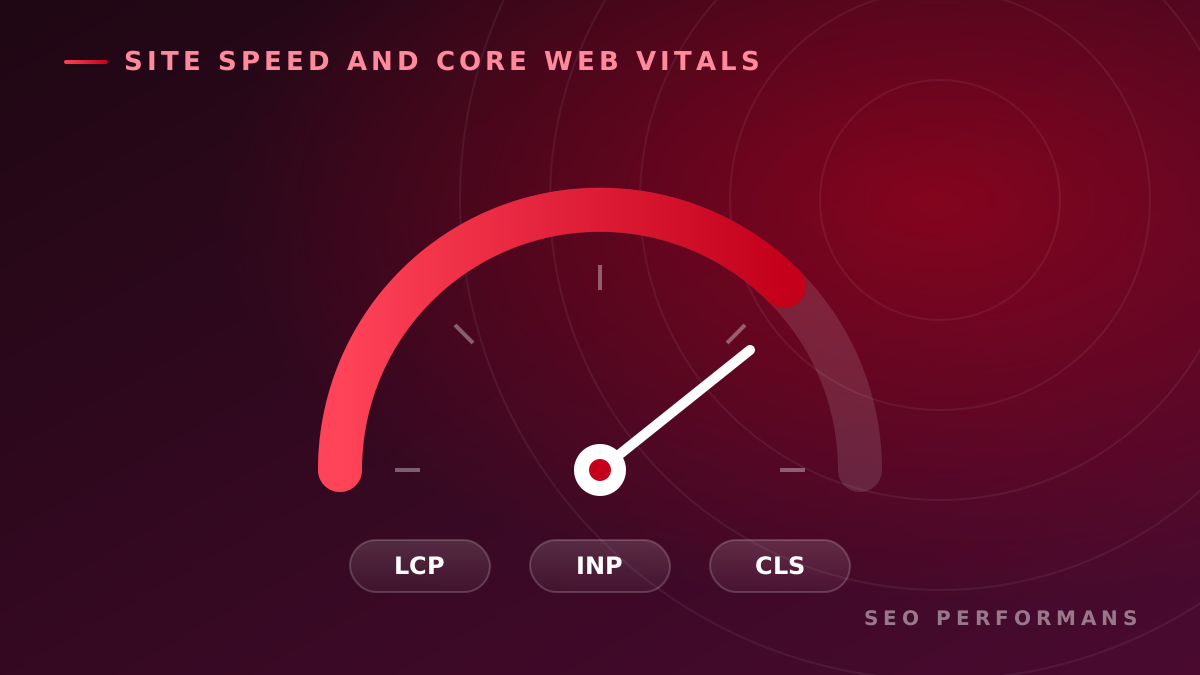
- Core Web Vitals scores are poor
Google may not evaluate your content as strongly as it deserves.
SEO is a whole, and technical infrastructure is the invisible foundation of that whole.
Why Is Internal Linking Important?
Internal linking is the process of building strategic connections between pieces of content.
A proper internal link structure:
- Helps users spend more time on the site
- Helps Googlebot understand the site better
- Passes authority between pages
This in turn strengthens overall SEO performance.
How Long Does It Take to Increase Traffic with SEO?
SEO is a long-term investment model, not a short-term one.
Typically:
- The first effects start to appear within a few months
- Lasting results require a period of 4–6 months
- The timeline may extend as competition increases
However, organic traffic gained through the right strategy is sustainable and cost-effective.
Conclusion
Increasing traffic with keywords is not just an SEO tactic; it is a strategic system.
For successful results:
- The right keywords must be chosen
- User intent must be analyzed
- High-quality content must be produced
- Technical infrastructure must be optimized
- Internal link structure must be strengthened
When these elements come together correctly, becoming visible on Google and earning sustainable organic traffic becomes inevitable.
Frequently Asked Questions
Why is keyword research important?
Because the right keywords help your target audience find you and increase your conversion rate.
Why are long-tail keywords advantageous?
Because they face lower competition, they have the potential to rank faster and deliver higher conversions.
How long does it take to increase traffic with SEO?
The first results are usually seen within a few months, but strong and lasting traffic growth requires consistent work.
🚀 Would you like to find out which keywords your website can get traffic from?
Let's examine your current situation in detail with a free SEO analysis.
👉 https://seoperformans.com/arama-motoru-optimizasyonu