Türkçe
 English
 Deutsch
SEO (Search Engine Optimization) is a long-term digital marketing strategy that makes a website more visible in search engines. However, to know whether your SEO efforts are actually succeeding, you need to measure performance on a regular basis.
Measuring SEO performance is not just about tracking the number of visitors. Analyzing user behavior, evaluating the technical infrastructure, reviewing content performance, and measuring conversion rates are all important parts of the process.
So how do you measure SEO performance? Which metrics should you track?
1. Organic Traffic Analysis
Organic traffic is one of the most fundamental indicators of SEO work. It refers to users reaching your website through search engines.
With tools such as Google Analytics 4 (GA4) and Google Search Console, you can analyze the following data:
- Most visited pages
- Device types users visit from
- Visitor locations
- Traffic sources
- New vs. returning user ratios
A steady increase in organic traffic is one of the key signals that your SEO strategy is on the right track.
For more comprehensive analysis, SEO analysis and reporting should be carried out on a regular basis.
2. Keyword Rankings
Keyword rankings are at the heart of SEO performance. Tracking your position for your target keywords is one of the most effective ways to measure your visibility.
In this process, you should regularly analyze:
- Rising keywords
- Keywords that are losing positions
- New opportunity keywords
- Long-tail keywords
on a regular basis.
Tools such as Semrush, Ahrefs, Serpstat, and Ubersuggest are widely used to measure keyword performance.
A professional keyword research strategy directly affects SEO performance.
3. User Behavior and Conversion Rates
The goal of SEO is not just to attract traffic. The real objective is to turn visitors into customers.
For this reason, the following user behavior metrics should be examined carefully:
- Bounce rate
- Average session duration
- Pages per session
- Click-through rate (CTR)
- Conversion rates
For example, users staying on a page for a long time is a strong quality signal showing that the content is useful.
In addition, conversions such as:
- Form submissions
- Quote requests
- Product purchases
- Newsletter sign-ups
are concrete indicators of SEO success.
4. Technical SEO and Core Web Vitals Analysis
Technical infrastructure is one of the cornerstones of SEO performance. Technical issues can prevent even high-quality content from ranking.
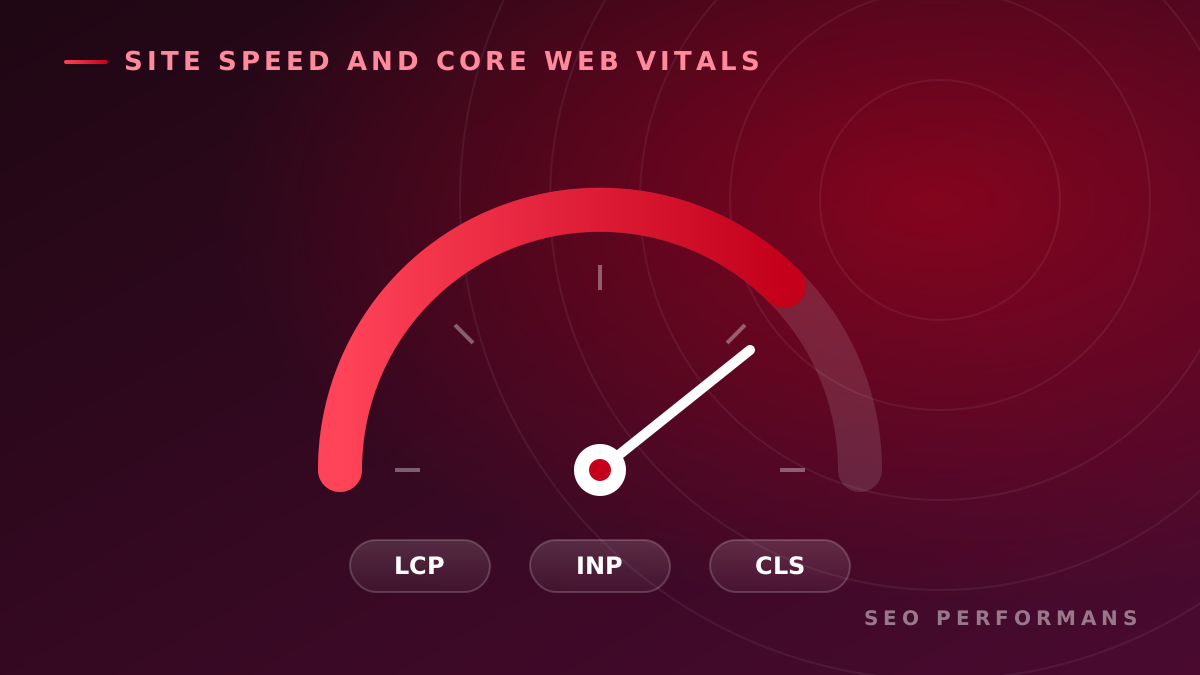
The Core Web Vitals (CWV) metrics that Google cares about are:
- LCP (Largest Contentful Paint) – Page loading performance
- INP / FID – User interaction responsiveness
- CLS (Cumulative Layout Shift) – Visual stability
In addition, you should regularly check:
- Mobile compatibility
- HTTPS usage
- Sitemaps
- Canonical tags
- URL structure
- Crawlability issues
on a regular basis.
Technical SEO optimization plays a critical role in this process.
5. Measuring Content Performance
Quality content is one of the most important elements of SEO. Without measuring content performance, it is very difficult to achieve sustainable organic growth.
During content analysis, you should look for answers to these questions:
- Which blog posts attract the most traffic?
- Which content generates the most conversions?
- On which content do users stay the longest?
- Which content is shared the most?
Content that matches user intent and is up to date and comprehensive is valued more highly by Google.
That is why regular content optimization is necessary.
6. Backlink Analysis
Backlinks are links from other websites to your site. Quality backlinks create a trust signal in Google's eyes.
In backlink analysis, you should review:
- The authority of linking sites
- Backlink quality
- Anchor text distribution
- Harmful links
- Competitor backlink profiles
carefully.
Spam links can harm SEO performance. For this reason, you should clean up your backlink profile regularly.
Professional link building strategies can strengthen your organic visibility.
7. Competitor SEO Analysis
To evaluate your SEO performance accurately, you need to analyze your competitors.
With competitor analysis, you can examine in detail:
- The keywords competitors rank for
- Their content strategies
- Their backlink sources
- Their organic traffic potential
- Their technical SEO setups
in detail.
These analyses offer important opportunities to improve your strategy.
For a more in-depth review, you can benefit from SEO competitor analysis services.
8. Regular SEO Reporting and KPI Tracking
SEO performance is a process that needs to be monitored continuously. For this reason, specific KPIs (Key Performance Indicators) should be defined.
For example, you should report on:
- Organic traffic growth
- Keyword rankings
- Conversion rate
- Backlink growth
- Page speed scores
- CTR rates
on a regular basis.
With monthly and weekly SEO reports, strategic decisions can be made on a sounder basis.
Conclusion
Measuring SEO performance is not just about looking at numbers; it is about interpreting the data correctly and making continuous improvements.
When organic traffic, user behavior, technical SEO, content performance, and backlink analysis are evaluated together, you get more reliable results.
Thanks to regular analysis and optimization, your website will:
- Rise in Google rankings
- Gain more organic traffic
- Improve user experience
- Reach higher conversion rates
SEO success is achieved through sustainable strategies backed by measurable data.