Türkçe
 English
 Deutsch
Corporate web design, as a brand's storefront in the digital world, directly conveys trust, professionalism and accessibility. However, a modern design alone is not enough. For a website to be visible in search engines, earn organic traffic and reach its target audience, it needs an SEO-friendly foundation.
Google no longer favors only visually impressive sites; it prioritizes websites that are fast, mobile-friendly, offer a strong user experience and are technically optimized.
In this article, we will take a detailed look at SEO-friendly approaches in the corporate web design process.
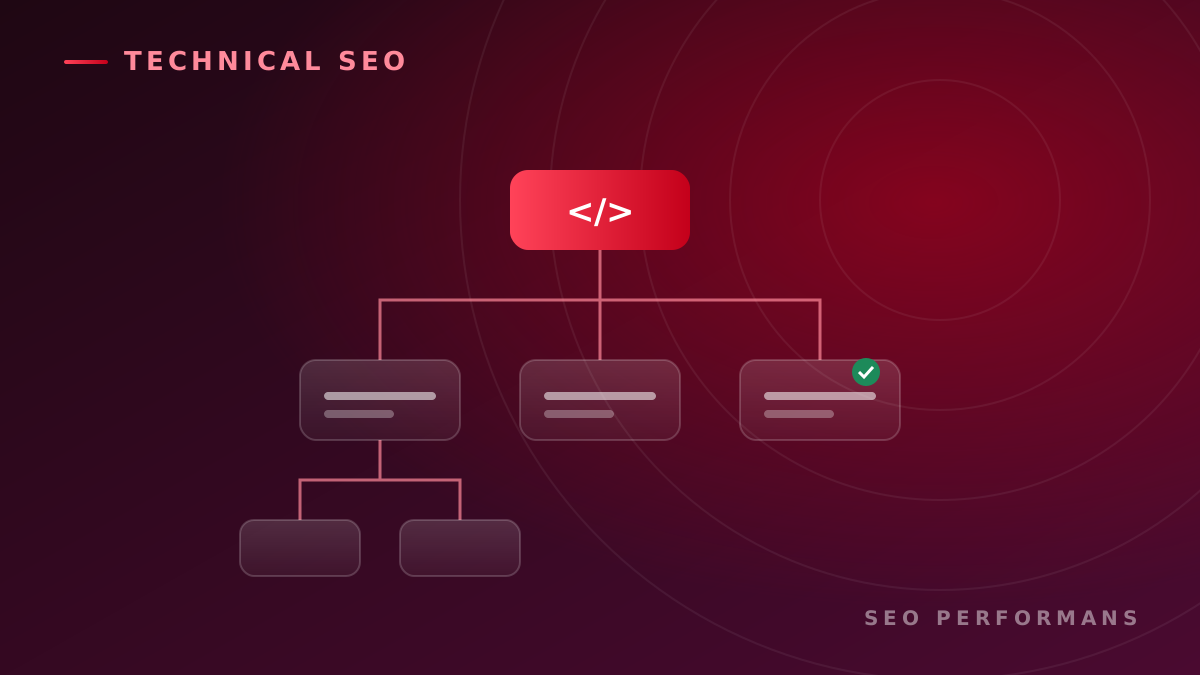
SEO-Compatible Infrastructure and Clean Code
At the core of SEO-friendly corporate web design is a clean, optimized and maintainable code structure.
Search engines analyze a website not only visually but also through its code structure. For this reason, the technical infrastructure is critical for SEO.
Using Semantic HTML
With HTML5 semantic tags such as:
- header
- section
- article
- nav
- footer
Google can better understand the page hierarchy.
JavaScript and CSS Optimization
A significant share of performance problems on corporate websites stems from unnecessary JavaScript and large CSS files.
For this reason:
- Using async and defer,
- Lazy loading techniques,
- Minified CSS/JS files,
- Code splitting methods
significantly improve page performance.
Professional technical SEO optimization work is highly important at this stage.
Mobile Compatibility (Responsive Design)
With Google's "Mobile-First Indexing" policy, mobile compatibility is no longer an option but a necessity.
Today, the majority of users access websites from mobile devices.
Advantages of Responsive Design
- Seamless display on all devices
- Lower bounce rate
- Better user experience
- An advantage in Google rankings
Websites that are not mobile-friendly can lead to both lost users and a drop in SEO performance.
Especially on corporate websites, the following are important details to pay attention to:
- Mobile menu optimization
- Touch-friendly usability
- Responsive images
- Mobile speed optimization
Page Speed and Core Web Vitals
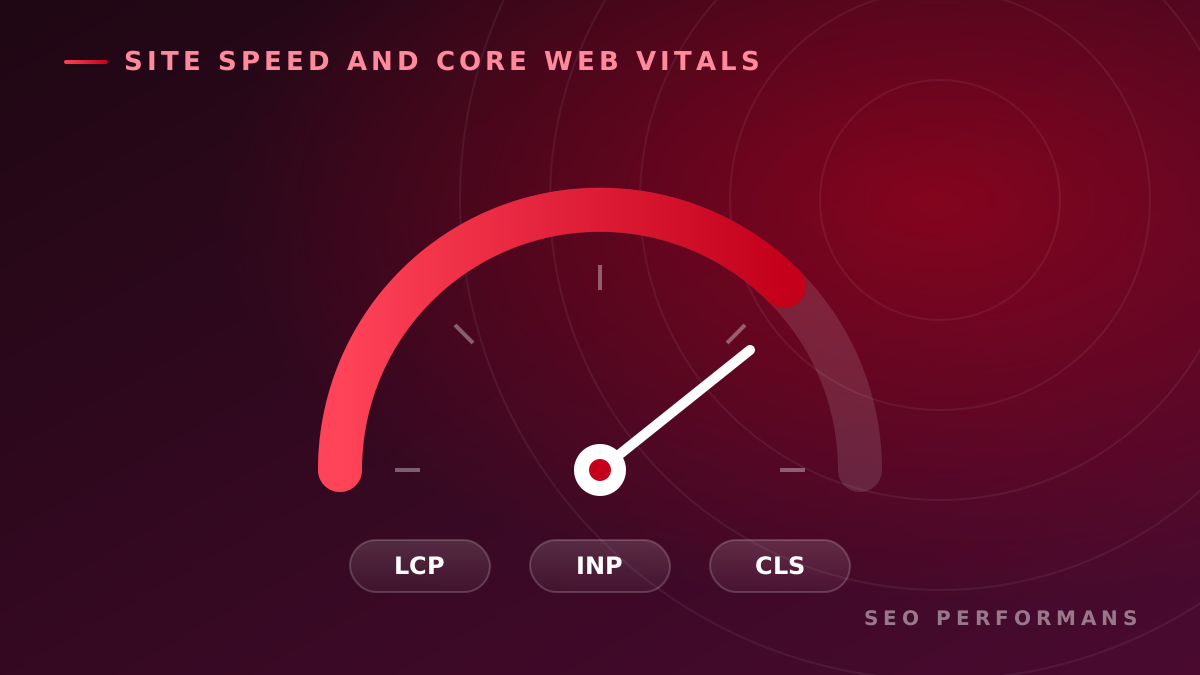
One of Google's most important ranking criteria is now user experience. At this point, Core Web Vitals metrics are of great importance.
LCP (Largest Contentful Paint)
Measures how quickly the main content of the page loads.
FID (First Input Delay)
Measures the response time to the user's first interaction.
CLS (Cumulative Layout Shift)
Analyzes the visual shifts that occur while the page is loading.
Because high-resolution images and animations are commonly used on corporate websites, performance optimization becomes critical.
Performance Recommendations
- Use WebP or AVIF image formats
- Take advantage of a CDN infrastructure
- Implement browser caching
- Use lazy loading
- Configure critical CSS
Fast-loading sites offer a major advantage not only for SEO but also for conversion rates.
Information Architecture and Site Structure
Corporate websites usually contain many pages:
- About Us
- Services
- References
- Blog
- Contact
- Solution pages
For this reason, building the right information architecture is very important.
What Should an SEO-Friendly Site Structure Look Like?
- Simple and clear URL structures should be used
- The menu structure should be kept clean
- Service pages should be categorized
- An internal linking strategy should be created
- The XML sitemap and robots.txt should be optimized
A properly structured site architecture helps both users and Google's bots understand the site more easily.
Content and Keyword Strategy
One of the most common mistakes on corporate websites is pushing content into the background.
Yet at the core of SEO lies high-quality, user-focused content.
What to Pay Attention to for SEO-Compatible Content
- Original content should be created for every page
- The H1-H2-H3 heading hierarchy should be maintained
- Keywords should be used naturally
- The meta title and meta description should be optimized
- Alt tags should be defined for images
Especially thanks to professional keyword research, it is possible to reach the right target audience.
Building Authority with a Blog Structure
For corporate websites, the blog section is not just a place to share content.
Blog content:
- Builds industry authority
- Brings in organic traffic
- Earns rankings for long-tail keywords
- Creates an internal linking advantage
Brands that publish content regularly, in particular, are seen by Google as more active and trustworthy.
Professional content optimization work is an important part of this process.
Image Optimization
Large images used on corporate sites can cause performance problems.
For this reason, images should be optimized for both SEO and performance.
Recommendations for Image SEO
- Use the WebP or AVIF format
- Prefer responsive images
- Fill in alt and title attributes
- Compress images
- Use lazy loading
With proper image optimization, Core Web Vitals scores improve and additional traffic can be gained through Google Images.
SSL Certificate and Security
For corporate websites, security is not just a technical detail; it is also critical for brand trust.
The HTTPS protocol:
- Is a Google ranking factor
- Increases user trust
- Ensures data security
- Protects forms and payment transactions
Sites without an SSL certificate may be flagged as "not secure" in modern browsers.
SEO-Friendly URL Structure
On corporate sites, URL structures should be simple, readable and keyword-focused.
Example of a Correct URL
/kurumsal-web-tasarim
Example of an Incorrect URL
/page?id=1458&cat=22
SEO-friendly URL structures strengthen both user experience and search engine visibility.
Internal Linking Strategy
Internal linking is highly important on corporate websites.
With proper internal linking:
- Users browse more pages
- Google better understands the relationships between pages
- SEO value is distributed across pages
For example, linking from a technical SEO article to the SEO analysis and reporting page creates a natural structure.
Conclusion
An SEO-friendly approach to corporate web design is critical not only for being visible in search engines, but also for building brand trust, improving user experience and ensuring digital sustainability.
A successful corporate website should be:
- Fast,
- Mobile-friendly,
- SEO-optimized,
- User-friendly,
- Strong in terms of content
.
When design, technical infrastructure and SEO strategy are planned together, Google rankings get stronger and the brand's digital visibility grows sustainably.