Türkçe
 English
 Deutsch
SEO analysis is the process of examining a website's current standing in search engines in detail, looking at its technical health, content and authority. A professional SEO analysis goes beyond a surface-level look at the site: it means evaluating data, benchmarking against competitors and building a strategic action plan.
Many companies today believe they are doing SEO, but because they skip the analysis stage, they never achieve sustainable results. A properly executed SEO analysis is the foundation of organic traffic growth, conversion improvement and long-term digital growth.
In this guide, we walk step by step through what an SEO analysis is, how it is done, which tools are used, what a sample report looks like and the most common mistakes.
What Is an SEO Analysis?
An SEO analysis is a process that closely examines a website's technical infrastructure, keyword performance, content quality, backlink profile, competitive position and user experience.
This analysis helps answer questions such as:
- Why isn't organic traffic growing?
- Why can't the site climb in the rankings for certain keywords?
- Is there a technical obstacle on the website?
- In which areas are competitors stronger?
- Does the content satisfy user search intent?
A professional search engine optimization project always starts with a comprehensive analysis.
Tools Used in an SEO Analysis
A professional SEO analysis is not based on guesswork. An accurate analysis requires measurable data, technical crawls and competitive comparisons.
Google Search Console
Google Search Console is one of the most reliable data sources for SEO analysis. Keyword impressions, click-through rates, average position, indexing issues and technical warnings are all tracked through this tool.
Google Analytics 4
GA4 shows how organic traffic translates into user behavior. With this tool, you can analyze which pages visitors spend time on, which sources they come from and which actions they take.
Ahrefs and Semrush
Tools such as Ahrefs and Semrush are used for competitor analysis, backlink profiles, keyword difficulty and spotting content gaps.
Screaming Frog
Screaming Frog is a powerful crawler for technical SEO analysis. It can detect broken links, missing titles, meta descriptions, canonical issues and redirect errors.
PageSpeed Insights
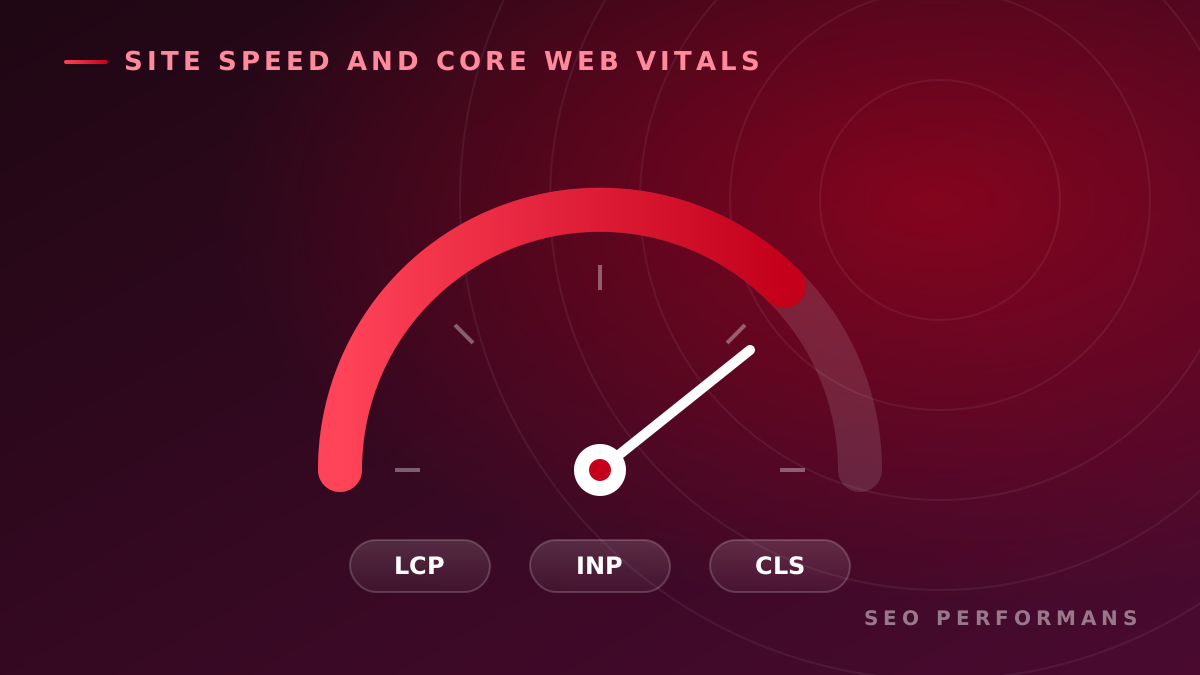
PageSpeed Insights is used to analyze Core Web Vitals, mobile performance, server response time and page speed issues.
How to Perform a Professional SEO Analysis
An SEO analysis should follow a clear methodology. Pulling a report from a single tool is not enough; the data must be interpreted and turned into an action plan.
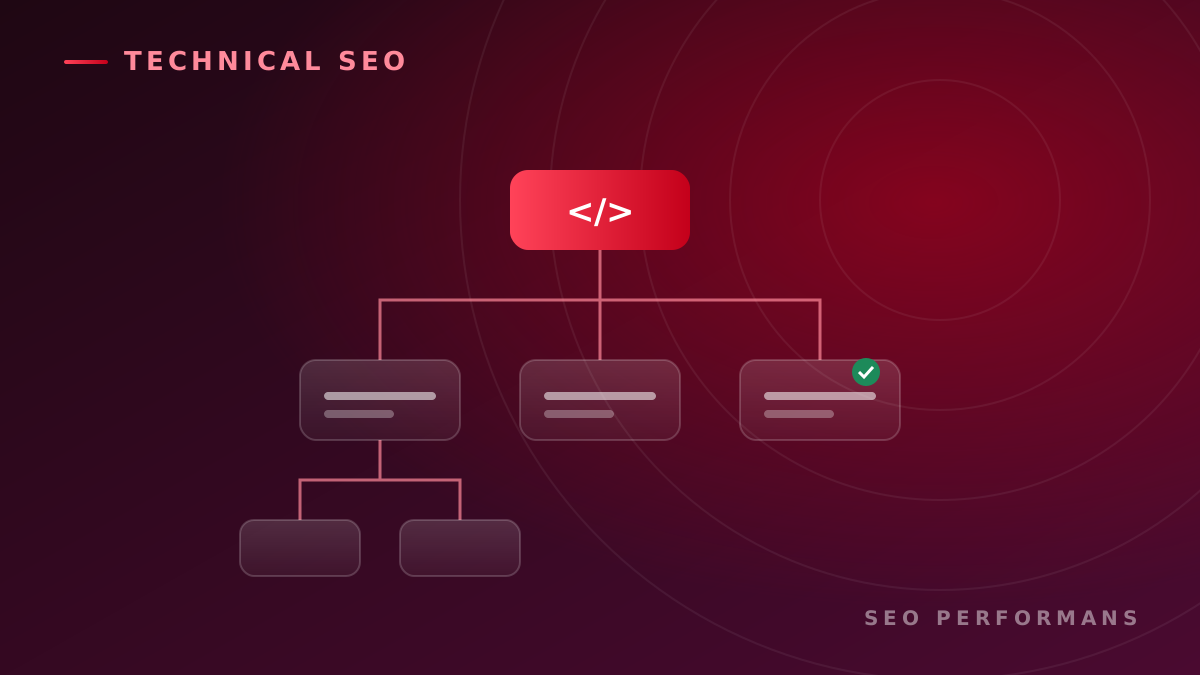
1. Technical SEO Analysis
The first stage is reviewing the technical infrastructure. Until technical issues are resolved, content and backlink efforts will not perform at their full potential.
The following elements are checked at this stage:
- Indexability
- Robots.txt file
- XML sitemap structure
- HTTPS usage
- Page speed
- Mobile-friendliness
- URL structure
- Canonical tags
- Broken links
For example, if a page is not indexed by Google, adding content or building backlinks to that page will not produce results. That is why technical SEO analysis is the foundation of the process.
2. Keyword Analysis
Keyword analysis reveals which keywords the site is visible for and which ones hold potential.
At this stage, search volume, competition level, user intent and conversion potential are evaluated together. For example, instead of a broad term like "SEO," more targeted keywords such as "enterprise SEO consulting" or "SEO analysis report" can be more valuable in terms of conversions.
3. Content Analysis
Google no longer looks only at keyword usage; it also values content quality and topical depth. This makes content analysis an important part of the SEO process.
The following points are examined in a content analysis:
- Heading hierarchy
- Topical depth
- Internal linking structure
- Freshness
- Readability
- Comparison with competitor content
Weak, thin content that fails to meet user intent can lead to ranking losses.
4. Backlink Analysis
Backlinks are one of the key trust signals for Google. What matters, however, is not the number of backlinks but their quality.
A backlink analysis examines domain authority, link sources, anchor text distribution, toxic links and competitor backlink profiles.
Low-quality or spammy links can harm SEO performance in the long run. For this reason, your backlink profile should be checked regularly.
5. Competitor Analysis
An SEO analysis is not just about examining your own site. It is hard to build a strong strategy without understanding what your competitors are doing.
Competitor analysis seeks answers to questions such as:
- Which keywords do competitors get traffic from?
- Which of their content performs better?
- What backlink sources do they have?
- How are their sites structured?
This data uncovers new content opportunities and areas where you can build a competitive advantage.
What Should an SEO Analysis Report Include?
A professional SEO analysis report should not merely list problems. It should also present a prioritized plan for fixing them.
Executive Summary
The overall SEO status, critical issues and priority actions should be summarized briefly.
Technical Status
Site speed, indexing errors, broken links, mobile-friendliness and Core Web Vitals results should be assessed.
Keyword Performance
Keywords ranking in the top 10, keywords with potential and keywords that have dropped should be reported.
Content Gaps
Topics that competitors cover but your site does not, pages that need updating and weak content should be identified.
Backlink Status
The total number of backlinks, referring domain diversity, risky links and overall authority should be analyzed.
Action Plan
The most important section of an SEO report is the action plan. For example:
- First 30 days: Resolve technical SEO issues
- First 60 days: Prepare the content plan
- First 90 days: Launch backlink and authority-building efforts
Most Common Mistakes in SEO Analysis
Looking Only at Traffic
Growth in organic traffic is important, but it is not enough on its own. If traffic does not bring conversions, the strategy should be reevaluated.
Ignoring Technical Issues
Producing content while there are indexing problems, slow page speed or mobile usability issues will not deliver the expected results.
Choosing the Wrong Keywords
Focusing on high-volume but low-intent keywords may not generate conversions, even if it increases traffic.
Skipping Competitor Analysis
SEO is a competitive environment. A strategy is incomplete without analyzing competitors' strengths and weaknesses.
Expecting Results Too Quickly
SEO is a long-term digital investment. Technical improvements made after the analysis can have an impact in the short term, but lasting ranking gains take time.
Conclusion
SEO analysis is the foundation of a successful SEO strategy. A sound SEO plan cannot be built without evaluating technical infrastructure, content quality, keyword performance, backlink profile and competitive position together.
A professional SEO analysis is data-driven, includes competitor benchmarking and delivers an actionable plan. That is why an SEO analysis should be seen not merely as a report, but as the starting point of a growth strategy.
An SEO project that begins with the right analysis can deliver greater visibility, higher-quality traffic and a higher conversion rate in the long run.
Frequently Asked Questions
How long does an SEO analysis take?
Depending on the size and scope of the website, an SEO analysis is usually completed in 3-10 days.
Can an SEO analysis be done for free?
A partial analysis can be done with basic tools. However, a professional SEO analysis requires detailed data, experience and strategic interpretation.
Will I see results right after an SEO analysis?
Short-term improvements may appear once technical issues are fixed. However, lasting ranking gains require ongoing optimization and time.