Türkçe
 English
 Deutsch
Competition in the digital world grows every day. Businesses want to rank at the top of search engines to reach more people with their products or services. This is where SEO, or search engine optimization, comes in. SEO has several layers, including content, authority, and technical infrastructure. One of the most important of these layers is technical SEO.
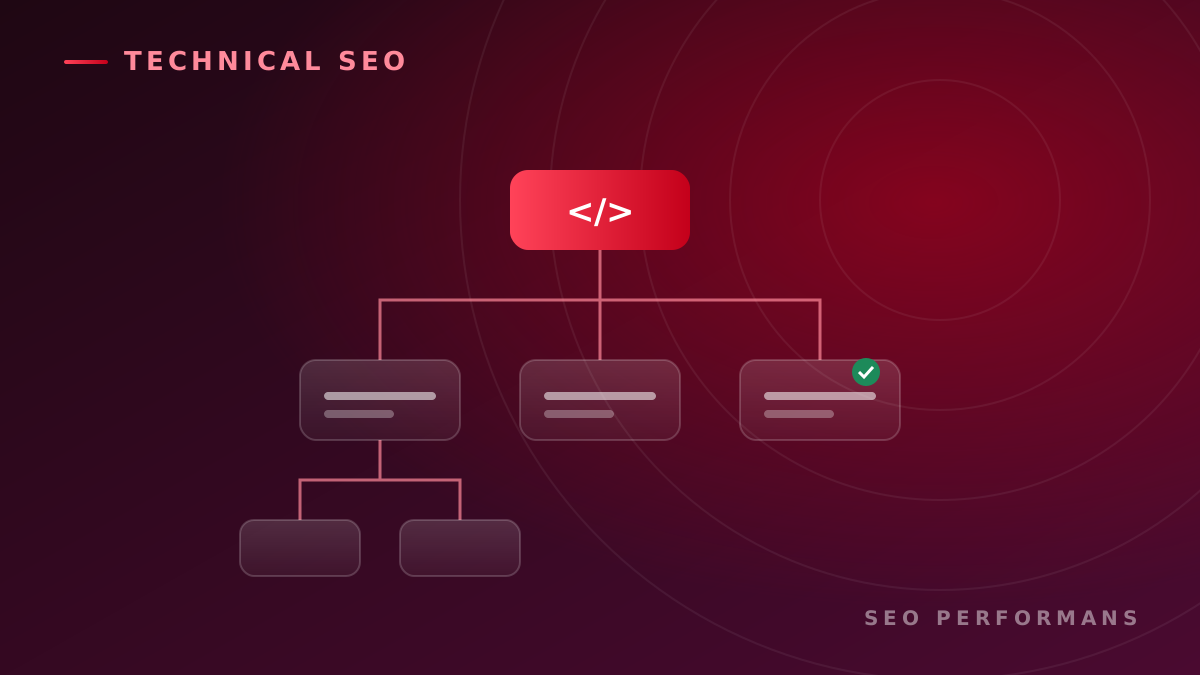
Technical SEO is the optimization process that makes it easier for search engines to crawl and index a website and ensures it works well for the user experience. No matter how high-quality your content is, Google may struggle to understand your site if the technical infrastructure is not configured correctly.
What Is Technical SEO?
Technical SEO covers all the technical adjustments made so that search engine bots can read your website correctly. Many elements fall under technical SEO, such as site speed, mobile-friendliness, URL structure, sitemaps, SSL certificates, canonical tags, redirects, and Core Web Vitals.
In short, technical SEO makes your website easy for search engines to understand and fast and secure for users. That is why it is one of the core components of a successful search engine optimization strategy.
Key Elements of Technical SEO
Site Speed
Site speed is a critical factor for both user experience and SEO performance. Pages that load slowly can cause users to leave the site quickly. This increases the bounce rate and can negatively affect organic performance.
Mobile-Friendliness
Today, most internet users access websites from mobile devices. Sites that are not mobile-friendly weaken the user experience and may be at a disadvantage in Google rankings. That is why responsive design is an indispensable part of technical SEO.
Site Architecture and URL Structure
A well-organized site architecture makes it easier for both users and search engines to understand the site. SEO-friendly URL structures should be short, clear, and aligned with the target keyword. For example, descriptive URLs should be preferred over complex parameters.
SSL Certificate and HTTPS
Security is a basic requirement for modern websites. Using HTTPS protects user data and increases trust in the site. Sites without an SSL certificate may be perceived as unsafe by users.
XML Sitemap and Robots.txt
An XML sitemap tells search engines which pages should be crawled. The robots.txt file shows search engine bots which areas they can and cannot access. When these two elements are configured correctly, the indexing process runs more smoothly.
Internal Linking Structure
Proper internal linking helps users spend more time on the site while helping Google better understand the relationships between pages. For example, linking from a technical SEO article to pages on technical SEO optimization, SEO analysis and reporting, and content optimization strengthens on-site authority.
Canonical and Hreflang Tags
Canonical tags tell search engines which main URL should be used to evaluate similar or duplicate content. Hreflang tags help show the right content to the right user on multilingual or multi-regional sites.
Core Web Vitals
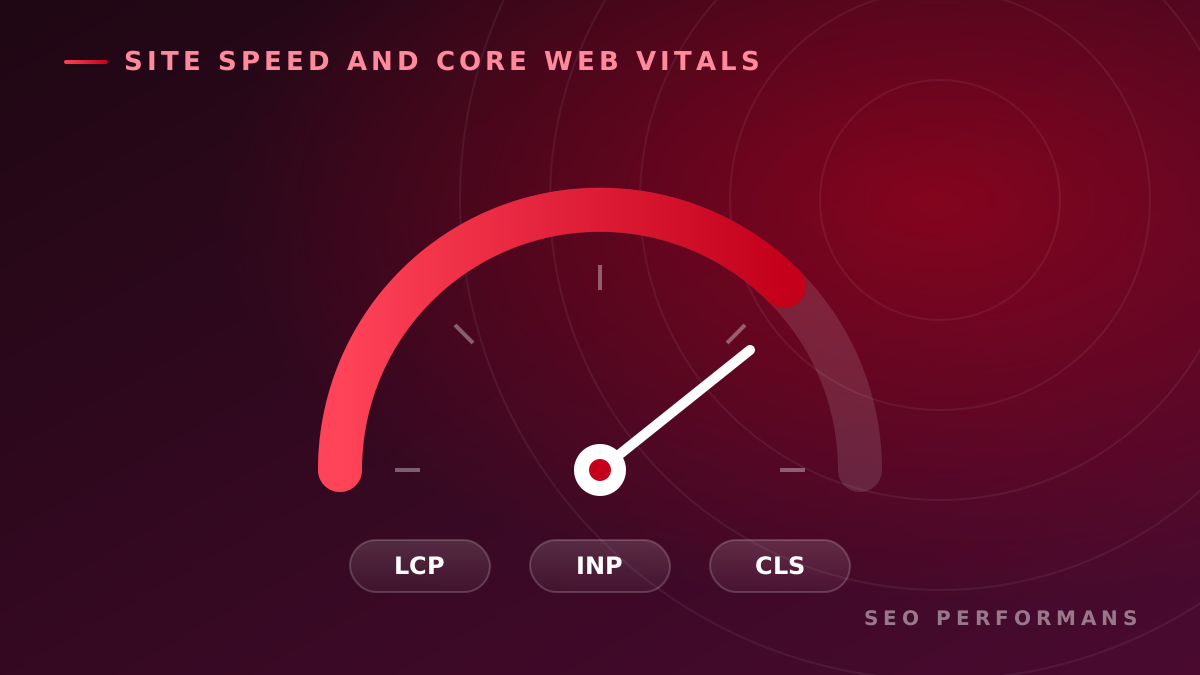
Core Web Vitals consist of important metrics Google uses to measure user experience. Page loading speed, visual stability, and responsiveness to user interaction are evaluated within this scope. Improving these metrics directly strengthens technical SEO performance.
Why Is Technical SEO Important?
A website without technical SEO may not be crawled well enough by search engines, even if it has high-quality content. This can lead to indexing issues, ranking losses, and a drop in organic traffic.
One of the most important benefits of technical SEO is a better user experience. A site that loads quickly, runs securely, is mobile-friendly, and is easy to navigate helps visitors spend more time on the site. This can have a positive effect on conversion rates.
In addition, a technically strong site can gain an advantage over competitors with the same content quality. Especially in highly competitive industries, technical infrastructure is one of the key factors that make a difference in rankings.
Technical SEO and Content SEO Must Work Together
SEO success cannot be achieved through technical adjustments alone. Likewise, simply producing content is not enough. For a strong SEO strategy, technical SEO and content SEO must be addressed together.
Technical SEO enables search engines to crawl the site properly. Content SEO provides the answer the user is looking for. When these two work together, the website is better understood by Google and delivers a stronger experience to the user.
Conclusion
Technical SEO is a critical area of optimization not only for search engines but also for user experience. From site speed to mobile-friendliness, from SSL to sitemaps, and from internal link structure to Core Web Vitals metrics, every technical detail needs to be configured correctly.
Remember: if content is the heart of SEO, technical SEO is its backbone. Without a solid technical foundation, it is hard to achieve sustainable organic success. If you want your website to be more visible on Google, you should regularly analyze and improve your technical SEO work.